For businesses transporting large quantities of goods internationally, sea freight shipping can be an efficient and cost-effective transportation solution.
Ocean freight is widely used for commercial cargo because it can accommodate large shipments and different types of goods.
At Quick Logistics, we help businesses identify logistics solutions that match their shipment size, destination, timeline, and transportation requirements.
What Is Sea Freight Shipping?
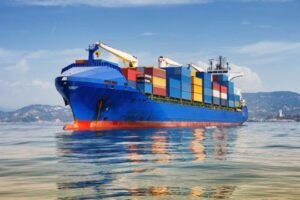
Sea freight shipping involves transporting goods by cargo vessel between ports.
It is commonly used for international trade and large-volume shipments where businesses need to move substantial quantities of products.
Sea freight can be used for:
- Commercial products
- Machinery and equipment
- Industrial materials
- Furniture
- Retail inventory
- Large-volume shipments
- Import and export cargo
Benefits of Sea Freight
Cost Efficiency
For large shipments, sea freight can offer a cost-effective alternative to air transportation.
Large Cargo Capacity
Cargo vessels can transport significant quantities of goods, making ocean freight suitable for businesses with large inventory requirements.
International Trade
Sea freight plays an important role in global supply chains and international commerce.
Flexible Shipping Options
Depending on the shipment, businesses can choose between different container and cargo arrangements.
Full Container Load vs. Less Than Container Load
Two common sea freight options are FCL and LCL.
Full Container Load — FCL
FCL is suitable when a business has enough cargo to use an entire shipping container.
Less Than Container Load — LCL
LCL allows businesses to share container space with other shipments when they do not require a full container.
Choosing between FCL and LCL depends on shipment volume, frequency, cost, and logistics requirements.
How Long Does Sea Freight Take?
Transit times vary depending on the origin, destination, shipping route, port schedules, customs procedures, and other logistics factors.
For this reason, businesses should plan international sea shipments well in advance.
How to Reduce Sea Freight Problems
Businesses can improve their shipping experience by:
- Preparing documentation early.
- Providing accurate cargo information.
- Selecting the right container option.
- Planning around expected transit times.
- Working with an experienced logistics provider.
- Monitoring shipment progress.
Good preparation can reduce avoidable delays and improve supply chain visibility.
Choose a Reliable Sea Freight Partner
International ocean shipping involves multiple stages and parties. Having a logistics partner coordinate the process can make transportation easier to manage.
Quick Logistics provides professional logistics and shipping solutions designed to help businesses transport their goods efficiently.
Contact Quick Logistics today to discuss your sea freight requirements.